


Electrolysis is a popular hair removal method for people who want a long-term solution to unwanted hair. Unlike temporary methods such as shaving, waxing, and threading, electrolysis targets individual hair follicles to achieve permanent hair removal. However, one common question people ask before starting treatment is how many sessions for electrolysis are needed to achieve the desired results.
The answer depends on several factors, including hair growth cycles, treatment area, hair thickness, hormonal influences, and individual response. Some people may need fewer appointments for smaller areas, while others require a longer treatment plan.
At ReDefine Electrolysis and Laser Clinic, clients can explore personalised electrolysis treatments based on their hair removal goals. Understanding the treatment process and expected timeline can help you plan your sessions with realistic expectations.
How Does Electrolysis Hair Removal Work?
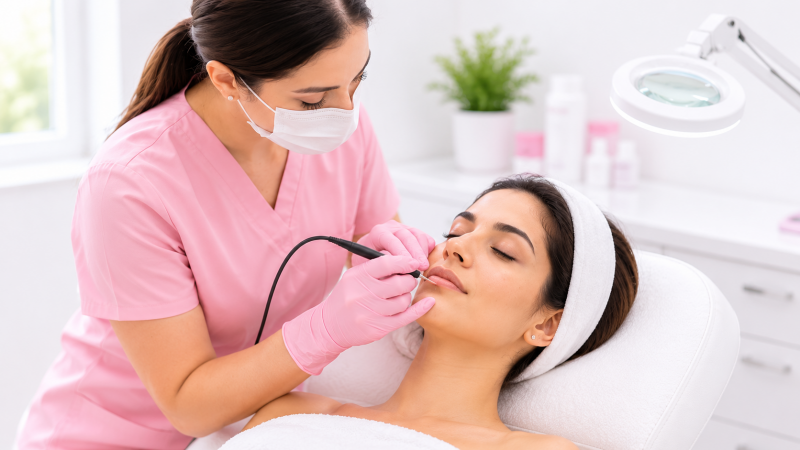
Electrolysis is a hair removal technique that uses a fine probe to deliver electrical energy into individual hair follicles. This energy damages the follicle responsible for hair growth, preventing treated follicles from producing new hair.
Unlike some other hair removal methods, electrolysis can treat different hair colours and is suitable for a wide range of skin tones. It is commonly used on areas such as the face, chin, upper lip, eyebrows, underarms, and other parts of the body.
Because each hair follicle must be treated individually, multiple appointments are generally required. This is why understanding how many sessions electrolysis treatments involve is important before beginning.
How Many Electrolysis Sessions Are Usually Needed?
There is no fixed number of appointments that works for everyone. The total number depends on the amount of unwanted hair, the size of the treatment area, and how the hair grows.
When considering how many sessions for electrolysis, it is important to understand that hair follicles go through different growth stages. Not every hair is actively growing at the same time. Electrolysis is most effective when the hair is treated at a suitable stage of its growth cycle.
As new hairs become visible, additional appointments are needed to treat follicles that were not active during earlier sessions.
Some people may need several months of consistent treatment, while others with denser hair growth or larger treatment areas may require a longer period.
Factors That Affect the Number of Electrolysis Sessions
Several factors influence the total number of appointments required.

1. Size of the Treatment Area
Smaller areas, such as the upper lip or chin, generally take less time per appointment than larger areas. Treating multiple body areas can increase the overall treatment time.
2. Hair Thickness and Density
Coarse, thick, or densely growing hair may require more treatment time. Areas with fewer and finer hairs may be easier to treat, depending on individual circumstances.
3. Hair Growth Cycle
Hair grows in different stages, including active growth, transition, and resting phases. Since not all follicles are active simultaneously, repeated treatments help address newly visible hairs over time.
4. Hormonal Factors
Hormonal changes can influence hair growth, particularly around the chin, upper lip, and jawline. Conditions or life stages associated with hormonal fluctuations may contribute to new hair growth and affect the treatment timeline.
5. Consistency of Appointments
Following a recommended treatment schedule is important. Skipping appointments or leaving long gaps between sessions may extend the overall treatment period.
These factors help explain electrolysis how many sessions someone needs can differ considerably from another person's experience.
How Often Should You Get Electrolysis Treatments?
The recommended frequency depends on the treatment area, hair growth pattern, and individual needs. Some clients may initially require weekly or fortnightly appointments, while others may follow a different schedule.
Regular appointments help treat hairs as they enter suitable growth stages. As hair growth decreases, the time between sessions may gradually increase.
Your electrologist can recommend an appropriate schedule after assessing the treatment area and understanding your hair growth pattern.

Electrolysis for Different Treatment Areas
The number of sessions can vary depending on the body area being treated.
Facial Hair
Facial hair removal is a common reason people choose electrolysis. The upper lip, chin, jawline, and cheeks can all be treated. Hormonal influences and differences in hair density may affect the treatment timeline.
Chin Hair
Chin hair can sometimes be coarse, thick, or hormonally influenced. People with recurring chin hair may need consistent appointments to address existing follicles and newly emerging growth.
Upper Lip Hair
The upper lip is a relatively small treatment area, but hair density and thickness can vary. Regular sessions may be needed to achieve the desired results.
Other Body Areas
Electrolysis can also be used on areas such as the eyebrows, underarms, and other body parts. Larger or denser treatment areas generally require more appointment time.
If you are wondering how many sessions for electrolysis will be necessary for a particular area, a professional assessment is the best starting point.
Why Does Hair Continue to Grow Between Sessions?
Seeing new hair between appointments does not necessarily mean electrolysis is unsuccessful. Hair follicles operate independently and follow different growth cycles.
Some follicles may not contain visible hair during your first appointment. As they become active, new hairs appear and can be treated during subsequent sessions.
It is also possible for hormonal changes to stimulate additional hair growth. This is why completing the recommended treatment course and attending follow-up appointments are important.
Electrolysis Hair Removal in Edmonton
Choosing an experienced clinic is an important part of your hair removal journey. Professional assessment, suitable treatment techniques, and consistent appointments can help support your goals.
At ReDefine Electrolysis and Laser Clinic, clients can discuss their concerns and receive guidance based on their individual hair growth patterns and treatment areas.
If you are considering electrolysis hair removal in Edmonton, the clinic can help you understand the process, expected treatment schedule, and factors that may influence your results.
Whether you want to address unwanted facial hair or treat another area, personalised care can make it easier to plan your treatment journey.
Why Choose ReDefine Electrolysis and Laser Clinic?
At ReDefine Electrolysis and Laser Clinic, the focus is on providing professional hair removal treatments with attention to individual needs.
Personalised Treatment: Your treatment plan is discussed according to your hair growth and target areas.
Professional Care: The treatment process focuses on careful follicle targeting and client comfort.
Clear Guidance: You can learn about appointment frequency, expected progress, and aftercare.
Individual Attention: Your concerns and hair removal goals are considered when planning treatment.
Frequently Asked Questions
Book Your Laser Hair Removal Consultation
Electrolysis is a gradual process that requires consistency, patience, and an appropriate treatment plan. Understanding your hair growth patterns can help you set realistic expectations and plan your appointments.
If you are exploring electrolysis in Edmonton, ReDefine Electrolysis and Laser Clinic can help you understand whether electrolysis is suitable for your needs.